
The world has fallen into a state of disarray. Turn on the news any night, and it’ll be a collection of death, despair, and destruction. From wars to global warming, we are haunted by the potential downfalls of our own kind. But living in a Western country it’s all too easy to close your eyes to this; there are no wars on our turf, global warming hasn’t shown it’s nasty side yet, and everyone is well-fed and able to survive. It’s easy to forget about the suffering elsewhere, whilst we worry about what to wear, where to drink, or who to date. But being in Jakarta is an all too real reminder that the world isn’t all that beautiful anymore. Flying into the city, the damage done to the Javan environment is apparent. Forests have made way for rice fields and palm plantations. Within the city, half of its people are either starving or live in the many slumps that are scattered in between highrises and hotels. Garbage is a real problem here, with it overflowing from the dumps into the rivers and the streets. The world is falling apart, just not in a place where most of us can witness it directly. It’s a stark reminder we all need to pull our weight. How to do so is more complicated. But donate to good causes, be aware of your footprint, and limit yourself to what you need. And consider yourself lucky. Appreciate that we have the time to worry about things that may really be trivial in the grand scheme of life.
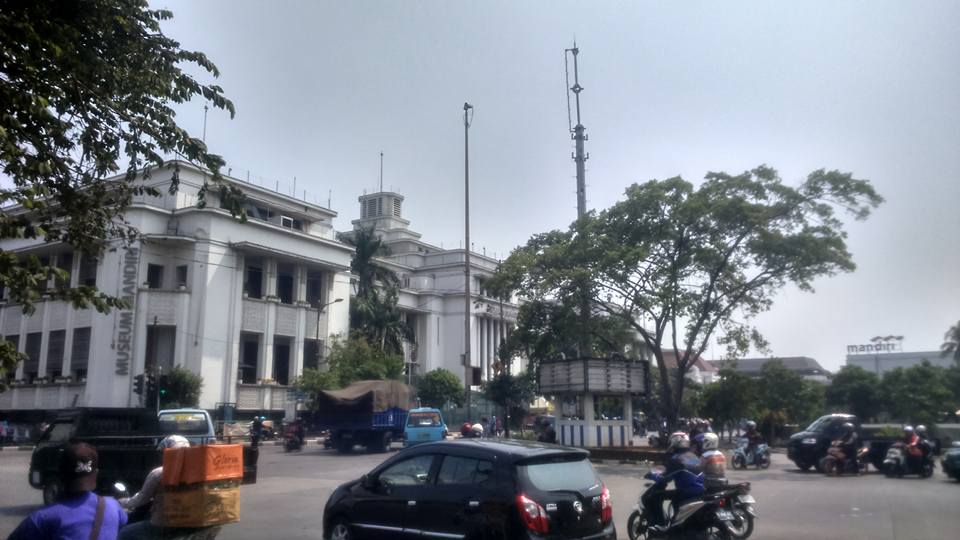
But none of this was on my mind as we continued our trip on Gili Trawangan. The day after our snorkeling adventure, we did some shopping and drinking cheap coffee before heading to Sunset Beach. An Instagram-lover’s dream, the beach showcases one of the most spectacular sunsets I’ve ever seen. A couple of strategically placed swings in the ocean have become one of the most photographed places in Indonesia. Sat watching the sunset from a beanbag on the beach, a cold Bintang in my hand, I realised that I am one lucky bastard.
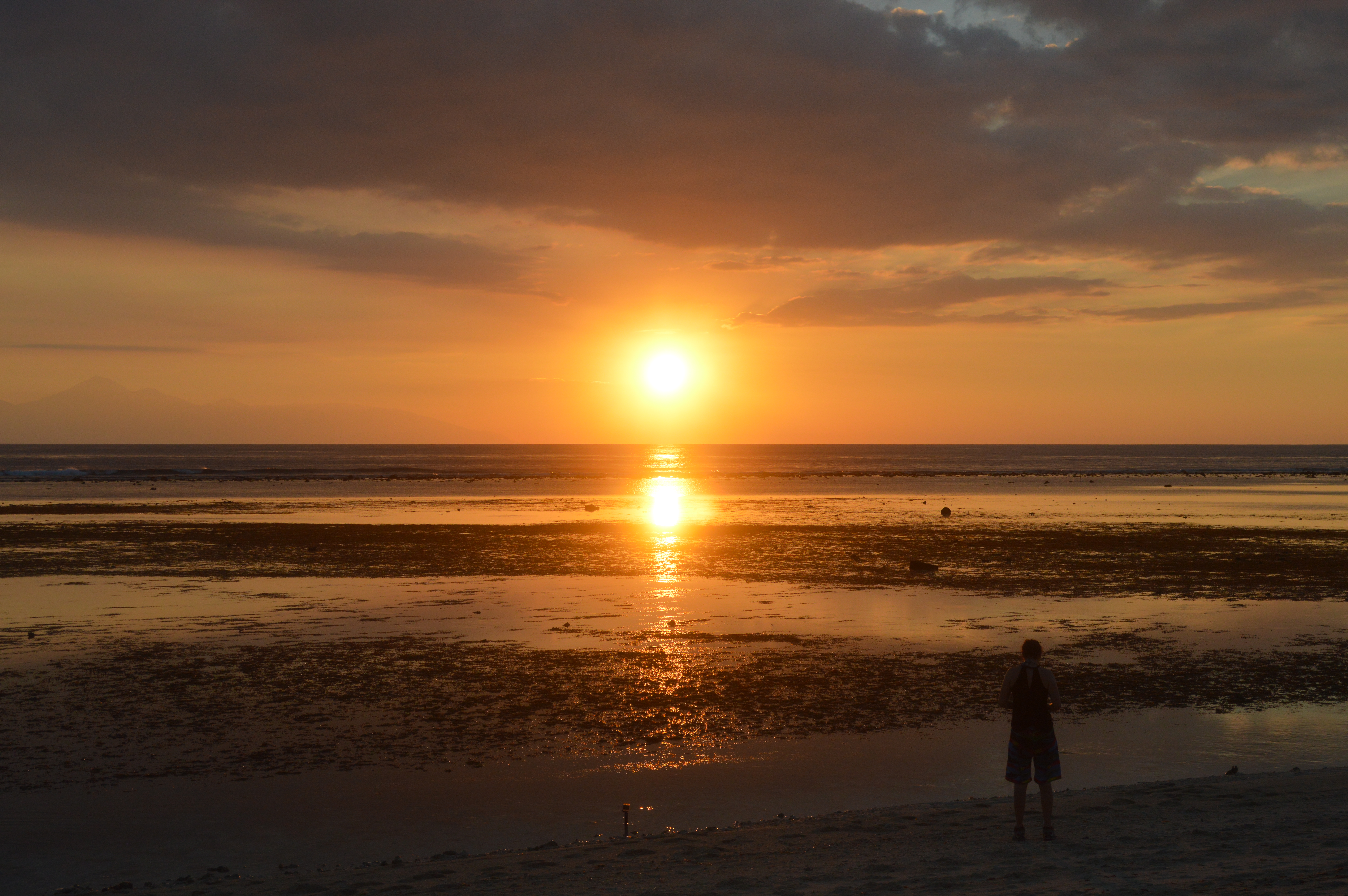
The rest of our time in Gili T is a blur of drinking coffee in Kayu Cafe (which did a mean latte), enjoying happy hour on Sunset Beach, and playing drinking games at the hostel. Combined with good company, beautiful weather, and a constant view of the blue water, horse-drawn carriages and overtowering mountains on Lombok, Gili T made for one of the most relaxing places I have been on my travels. But eventually the time came to leave our little slice of paradise, and Marije and I found ourselves a tad hungover on a morning boat heading to Amed. I fell asleep only to be woken by loud screaming from the skipper – I was, for a split second, convinved we were sinking and I was going to get eaten by a shark. But, thankfully, the skipper had spotted some dolphins and merely wanted us to share in his enthusiasm. Two hours later we arrived in Amed where we checked into our little bungalow and enjoyed the quiet crashing of the waves from a restaurant before going to bed.
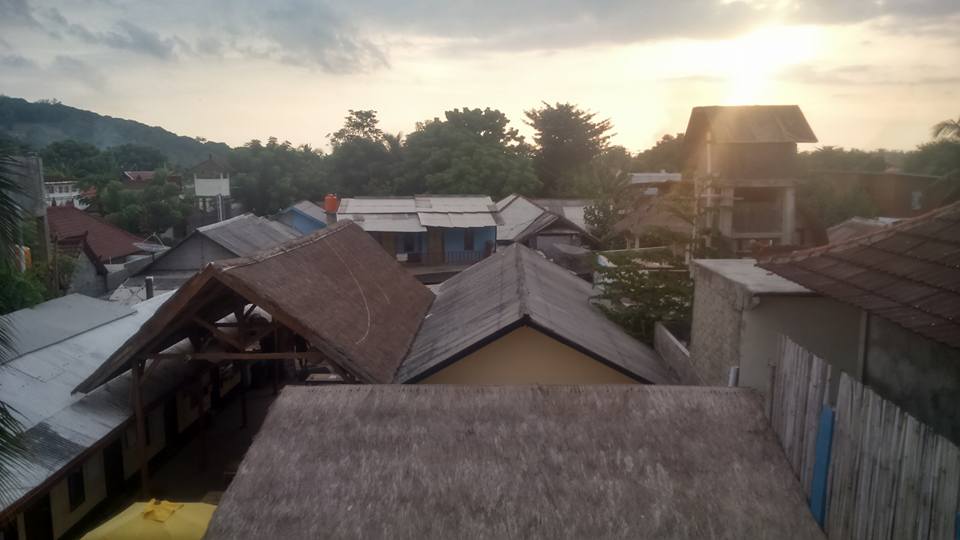
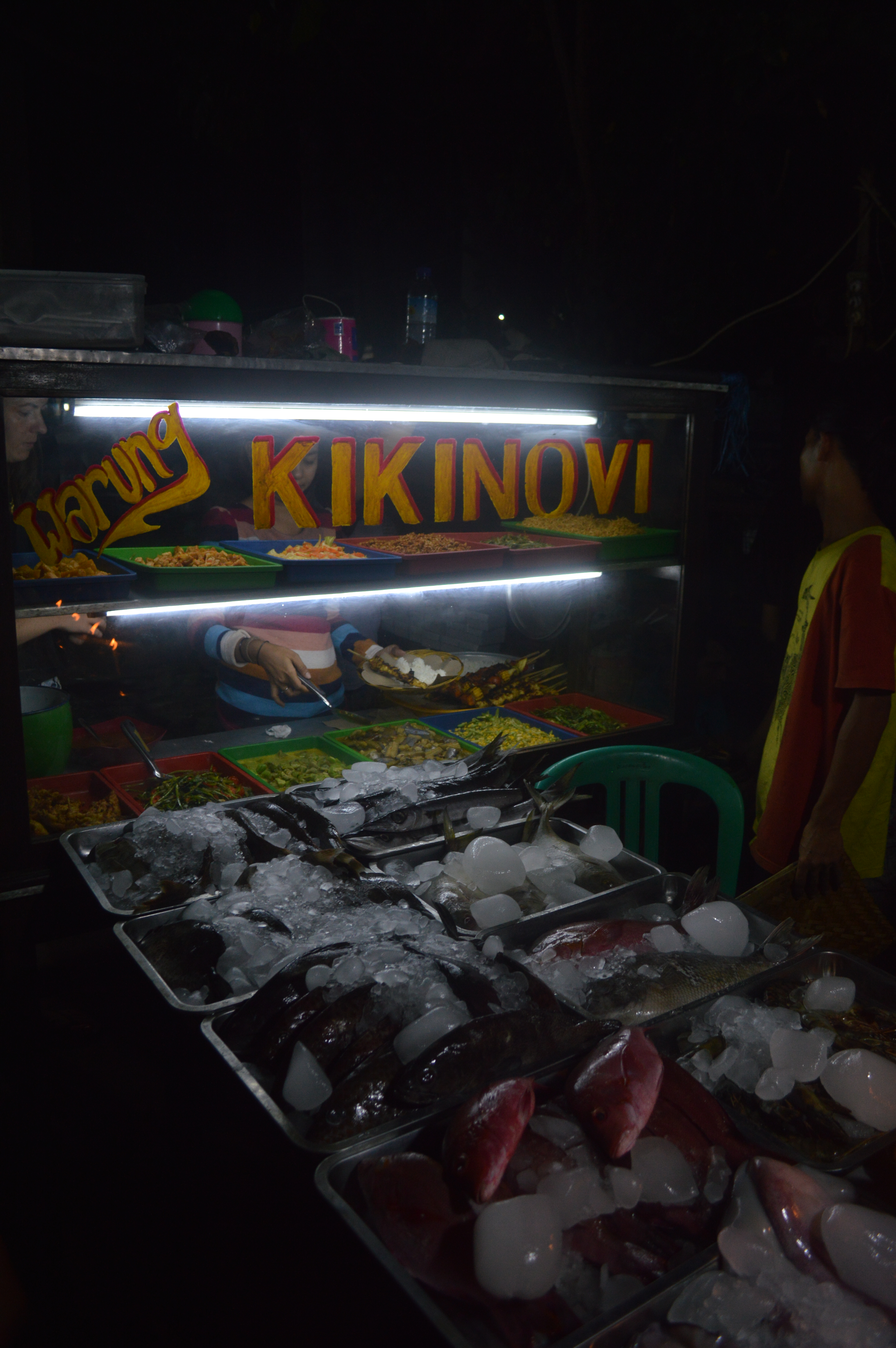
Amed is beautifully located on the east coast of Bali, and with only one main street, it is incredibly quiet. Therefore the next day we just looked for a nice cafe on the beach, took a book, and spent the whole day reading, eating, and talking to the occasional other guests. At one point we heard a quiet “Hello?”. We looked over the wooden balustrade to find two children staring at us. “Where are you from? Where do you stay?” They were full of questions and we soon realised they were trying to sell us their bracelets and other trinkets. Too adorable to say no, we agreed to buy two – but only if they taught us some Indonesian. Half an hour and a few sentences richer, yet 40.000R (€2.75) poorer, we said goodbye to Ketut and his sister.
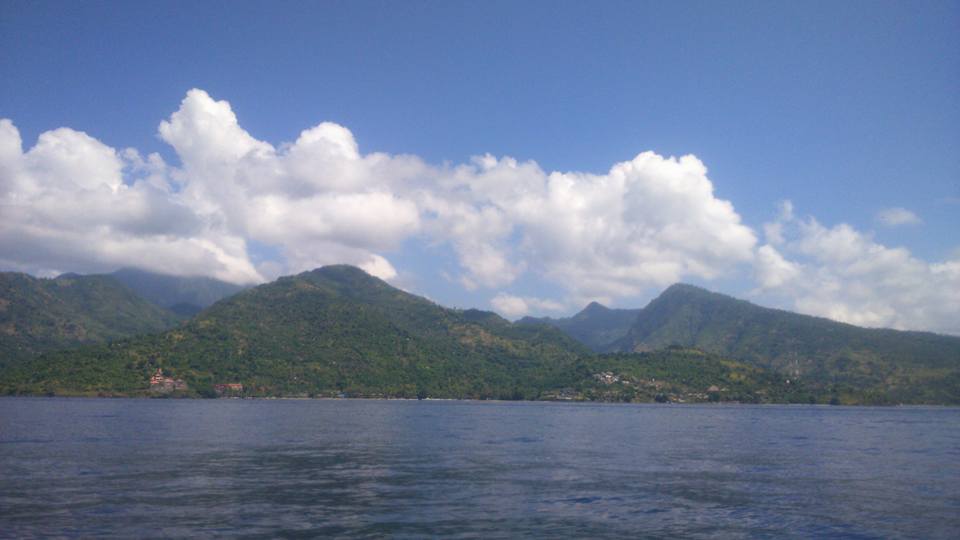
The next morning we also said goodbye to Amed. Our next, and final destination on Bali, was Kuta. Known as the main tourist district, it is located on the beach and is home to more nightclubs than Manchester could dream of. Soon, we found ourselves talking to a group of Canadian men who took us out for the night. We started at the cheapest (and possibly best?) Indonesian restaurant we had been to, and proceeded with a bar crawl that ended in a nightclub playing some classics. At 3am I finally rolled into my “pod”, a bed with curtains giving me privacythat is normally absent in hostel dorms. Unfortunately, the couple we shared the room with seemed to think they had too much privacy and it was an awkward night for all.
The next day we ventured a bit further exploring Kuta’s and Legian’s beaches, filled with surfers and overweight Australians. We had a quick drink there before retreating back to the hostel for a quiet night – we were flying, after all. Because the next day we had to say goodbye to Bali as we headed to Jakarta: Indonesia’s capital on the most well-known island of Java.
As we arrived at Denpasar airport, I checked in, handed over my bag, and waited for Marije to do the same. But the clerk wasn’t finding any bookings under her name. A few moments thinking later, it seemed we had (well, Marije had.. Sorry MJ) forgot to actually book a flight. So we were at the airport, without an actual flight for her to get on. Thankfully, the AirAsia lady was incredibly kind and booked her on the same flight, even waiving the luggage fees. She ended up paying less than I did. The flight itself was rather uneventful, though we did get to fly over Java’s numerous volcanoes and forests (those that are still remaining, that is). But as our taxi driver drove us into Jakarta, it became painfully clear: Jakarta is nothing like Bali.
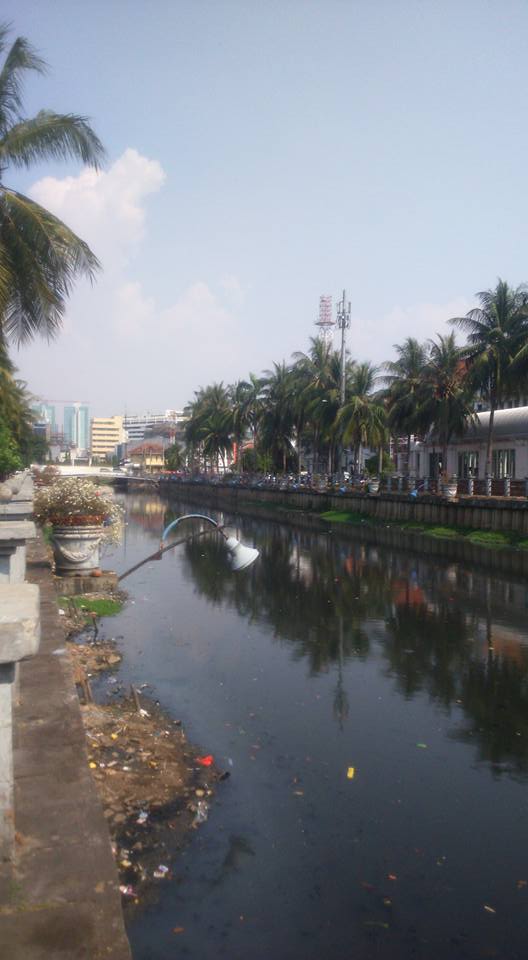
The city is enormous – with nearly 10 million inhabitants in the greater Jakarta region, it is crowded and overflowing with traffic. As we drove through the city’s many suburbs, we saw slumps, monkeys on chains, garbage, poverty. It was overwhelming. The sense of disarray and chaos is an assault on the senses and I soon found myself developing a headache. Marije and I checked in at our hostel (which is a tranquil haven in it all) and got straight back into a taxi going towards Grand Indonesia, a huge shopping complex. Craving some home comforts in this chaos, we shopped for necessities in brands that we knew and ate at restaurants we’d seen before. But it also struck us that there were no western people at all – in a place dominated with western chains, we were the only faces in the crowd that weren’t Indonesian. We finished the night at the cinema, where we watched Pitch Perfect 2. Simple, fun, it took no thinking whatsoever and meant we could unwind from the hectic day. But, as we tried to get a taxi home, no one knew where we were staying and it took three taxi drivers and numerous stops to ask for directions before we got home, and passed out in our pods. It’d been a long day.
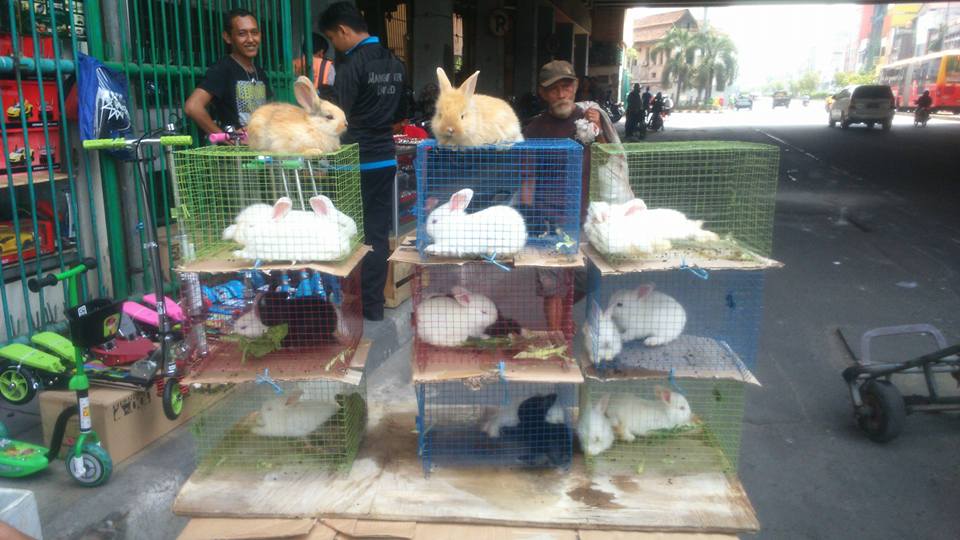
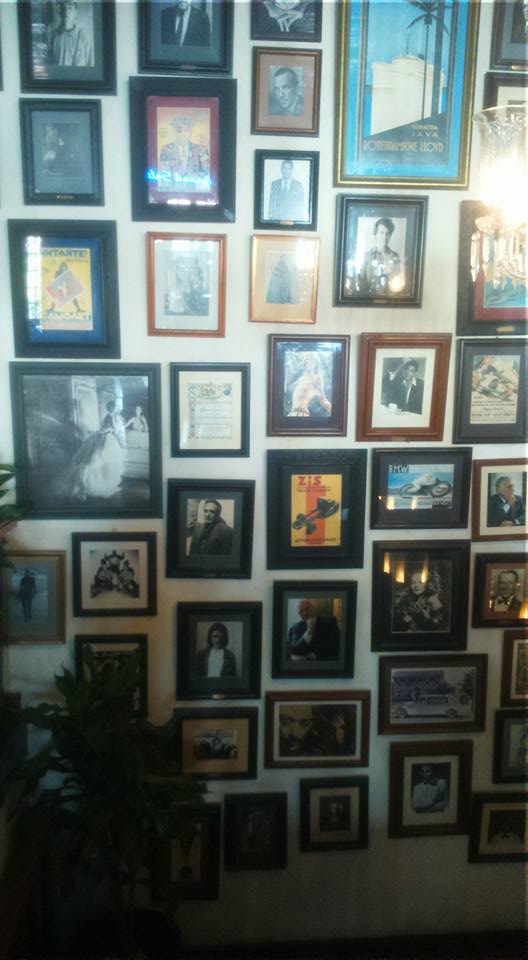
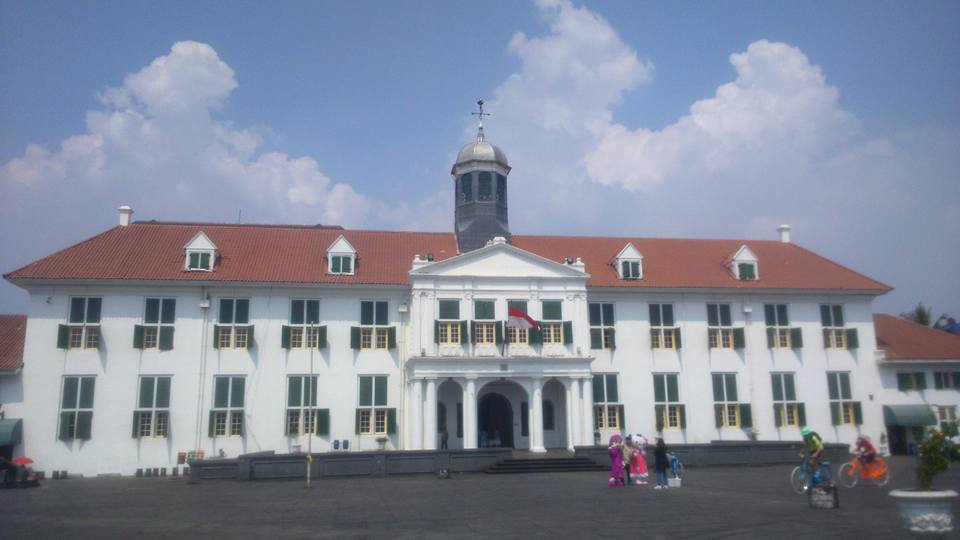
And so we started our second day in Jakarta somewhat reluctantly. Determined to go out and at least see something, we headed towards Batavia square, where the old reign of the Dutch is ever-present. Trying to get to the square was near suicidal, with traffic hurtling in all possible directions. Men were leering, making comments and touching us, sometimes taking pictures. I felt vulnerable, for the first time in my entire travels. But we eventually made it to the old Stadhuis. Beautiful in its grandeur, it sits on a square free of traffic, overlooking several old state buildings. We had lunch at the Batavia Cafe. Sitting there, with ’20s music softly playing, portraits of girls in flapper dresses and men in uniforms on the wall, it was easy to imagine what it must’ve been like for our Dutch predecessors here all those years ago. It was with intense sadness that I realised that this is partially our legacy; the chaos and poverty that struck Jakarta is undoubtedly part our fault. We headed back to the hostel a bit more subdued and spent the rest of the day inside – reading, organizing, planning for Singapore.
Jakarta has been a wake-up call of what the past hold, and the future may bring. Both look bleak and it’s in situations like these that it’s important to stay positive and have hope. I, for one, choose to have hope and look forward to a brighter future. Not just for Indonesia, but for the planet itself. We can do it.
 Faye Vogely